
What condo access card cloning actually means
Our experience shows that requesting a spare key from property management often turns into a tedious week-long wait. For residents in Damansara Perdana, Mutiara Damansara, or Bandar Utama, the technical-sounding idea of condo access card cloning is actually a very simple, practical workaround.
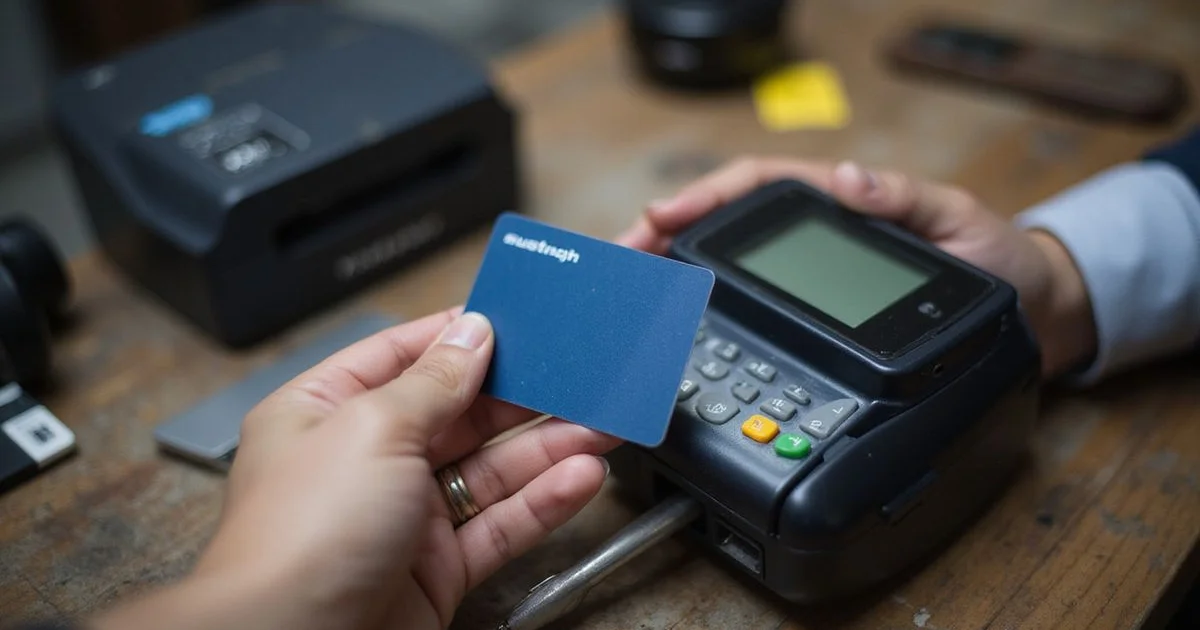
The process simply involves reading the 10-digit hexadecimal ID from your current fob and copying it to a blank unit.
We provide this access card duplication service to help you bypass the usual administrative delays. Both tags will register identically when tapped on your lobby or boom gate reader. This guide will break down the technology, identify the exact frequencies used in local buildings, and show you the fastest way to get a working spare.
The reader, the card, the chip
Our standard modern access setup relies on three distinct hardware components to function. The entire process involves the physical card, a wall-mounted reader, and a central controller database. The plastic unit in your pocket contains a microscopic microchip and a coiled copper antenna wire.
We often show customers how they can spot this internal antenna by simply holding their tag up to a bright smartphone flashlight. A round coil typically indicates a basic 125kHz proximity tag, while a rectangular coil hugging the edge usually means a 13.56MHz smart chip.
The core components break down into three distinct pieces:
- The physical tag: A plastic unit containing the microchip and an antenna wire.
- The wall panel: The lobby reader that constantly emits a short-range radio frequency field.
- The central database: The security controller that verifies the ID and opens the gate.
Our specialized tools mimic the exact interaction between these components. When you tap your fob against the panel, the radio waves power up the internal chip. The chip responds by broadcasting its specific ID number back to the controller.
We guarantee that a properly duplicated copy will broadcast that exact same serial number. The lobby controller checks its database, recognizes the approved sequence, and opens the door. The database cannot distinguish between the original and the cloned version.
The two common frequencies
Our Petaling Jaya clients usually carry one of two standard radio frequency formats. Almost every Malaysian residential or commercial building operates on either 125kHz or 13.56MHz. Older properties tend to use the unencrypted 125kHz standard.
We see this older format frequently in basic office setups and simple boom gate transponders, often using the EM4100 or HID Prox protocol. Most modern developments built after 2015 have upgraded to the 13.56MHz Mifare format. These newer systems, particularly the Mifare Classic 1K chips, offer better data encryption.
We also frequently encounter newer dual-frequency formats that combine both bands into a single unit. This hybrid approach allows a single tag to open a legacy 125kHz parking gate and a secure 13.56MHz lift lobby. For a deeper technical comparison of these formats, review the RFID vs Mifare access cards explained resource.
| Frequency | Type | Common in |
|---|---|---|
| 125kHz | RFID (older) | Older PJ condos, basic office systems, parking transponders |
| 13.56MHz | Mifare (newer) | Most modern condos, newer office systems, encrypted/secure setups |
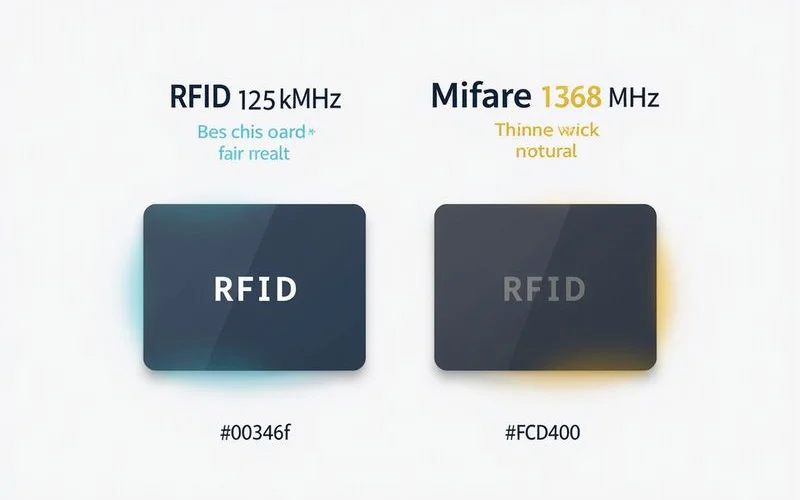
We have the equipment to handle all three of these standard formats. The cloning machine simply needs to match the blank tag to your original frequency.
A mismatch here is the most common reason why cheap online duplication tools fail.
Walk-in vs on-site
Our team offers two distinct ways to get your spares sorted. The fastest option is a quick visit to the Damansara Perdana workshop. A walk-in appointment takes less than 10 minutes from start to finish.
We also provide a mobile on-site dispatch service for bulk corporate orders. The typical choices break down into two clear paths. Each approach caters to a different type of schedule.
- Walk-in at the workshop: The physical route remains the most economical choice for individual residents.
- On-site at your location: The mobile option includes a minor travel surcharge but saves businesses the administrative hassle.
Our technicians bring all necessary scanning equipment directly to your Petaling Jaya office. This ensures your daily operations face zero interruptions. The final result is exactly the same either way.
What the duplication process looks like
We follow a strict five-step verification method to ensure perfect functionality. The technical procedure involves identifying the chip, pulling its ID, and writing that data to a blank tag. This transparent approach prevents any guesswork.
Our technicians perform the following exact steps during a visit. The process happens right in front of you. The specific sequence includes:
- Identify the hardware: The scanner checks the frequency and specific chip model.
- Check the security: Highly encrypted formats like Mifare DESFire EV2 cannot be cloned securely.
- Extract the data: The machine pulls the 10-digit hexadecimal ID.
- Write the copy: The exact alphanumeric string goes onto a compatible blank tag.
- Test the signal: A localized read test verifies the signal strength.
We guarantee that the new unit will register flawlessly at the guardhouse. The entire process finishes before you even finish your coffee. A simple duplicate takes mere minutes to complete.
Why it beats management reissue
Our customers constantly complain about official replacement procedures. Going through a building’s Joint Management Body is usually slower and significantly more expensive. A standard JMB penalty fee ranges from RM100 to RM150 for a single replacement.
We typically charge between RM30 and RM80 for a direct copy. The advantages of an independent service go beyond just the price. A few key benefits make this the preferred route:
- Faster turnaround: You walk out in 10 minutes instead of waiting days for processing.
- Lower cost: The savings are substantial compared to official penalty fees.
- Zero administrative hassle: You avoid filling out replacement forms entirely.
Our team will always be transparent if your specific format requires a direct management reissue. Highly secure rolling cryptography systems simply do not allow for aftermarket copies. A quick check on can my condo access card be duplicated provides more details on restricted formats.
We can usually identify the chip type if you send a quick photo over WhatsApp. A simple visual check saves you a wasted trip. The initial evaluation is completely free of charge.
Our proven condo access card cloning service ensures you always have a working spare.